
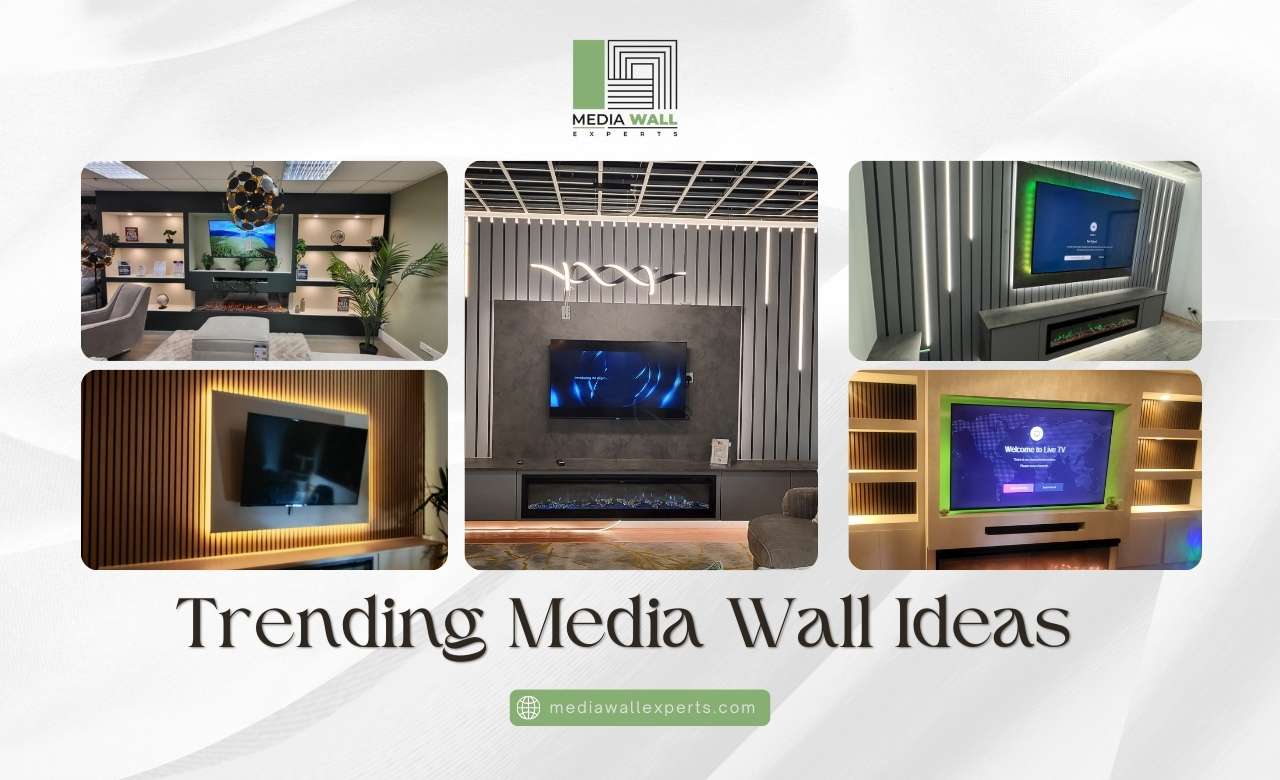
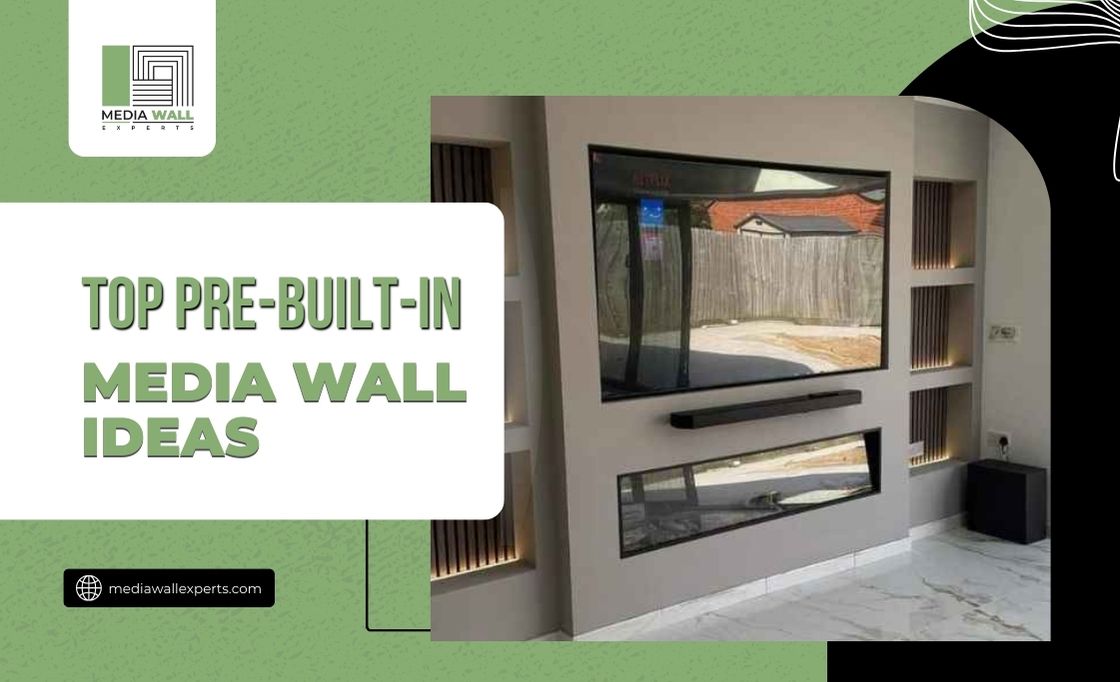
Media walls with acoustic panels are becoming a popular choice in modern UK homes, especially for living rooms and home entertainment spaces. Acoustic panels not only improve sound quality but also add texture and visual depth to a media wall. When designed properly, they help create a calm, balanced environment that feels comfortable and well-organised.
Explore Media Walls With Acoustic Panels Services in Manchester and nearby (UK)
Below are 12 thoughtfully designed media wall ideas that combine acoustic performance:
1. Acoustic Panel Feature Media Wall
A full acoustic panel feature wall behind the TV creates a strong visual impact while helping to control sound reflections. The panels frame the media area naturally and make the TV feel integrated into the wall rather than placed on top of it.
This idea works well in living rooms where sound clarity and clean design are equally important.
2. Vertical Acoustic Panel Media Wall
Vertical acoustic panels add height and structure to the wall. This layout helps rooms feel taller while also improving sound balance.
Soft-toned panels such as beige, grey, or muted wood finishes work best for a relaxed and modern appearance.
This style is particularly effective in living rooms where the ceiling height needs visual emphasis. The vertical layout draws the eye upward, making the space feel more open and balanced while keeping sound reflections under control.
- Helps rooms appear taller and more spacious.
- Improves sound balance by reducing echo.
- Works well with neutral and modern colour schemes.
- Keeps the media wall visually clean and organised.
- Pairs easily with floating units and soft lighting.
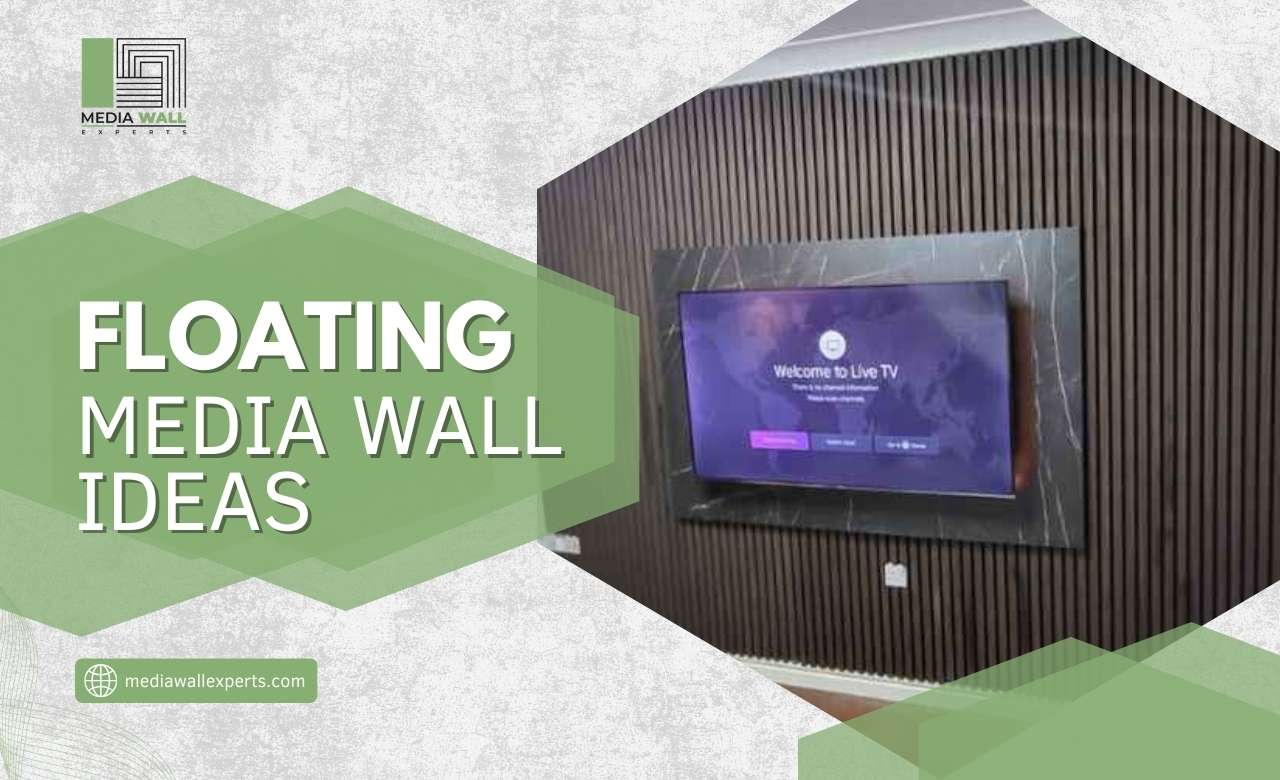
3. Acoustic Panels With Floating Media Unit
Combining acoustic panels with a floating media unit keeps the wall light and uncluttered. The floating element allows the panels to remain the main feature while maintaining visual balance.
This design suits modern homes that prefer clean lines and open floor space. It also helps the media wall feel less bulky, making the room easier to move around and visually calmer.
By keeping the unit off the floor, the design feels more open and organised, which works particularly well in modern living rooms and apartments.
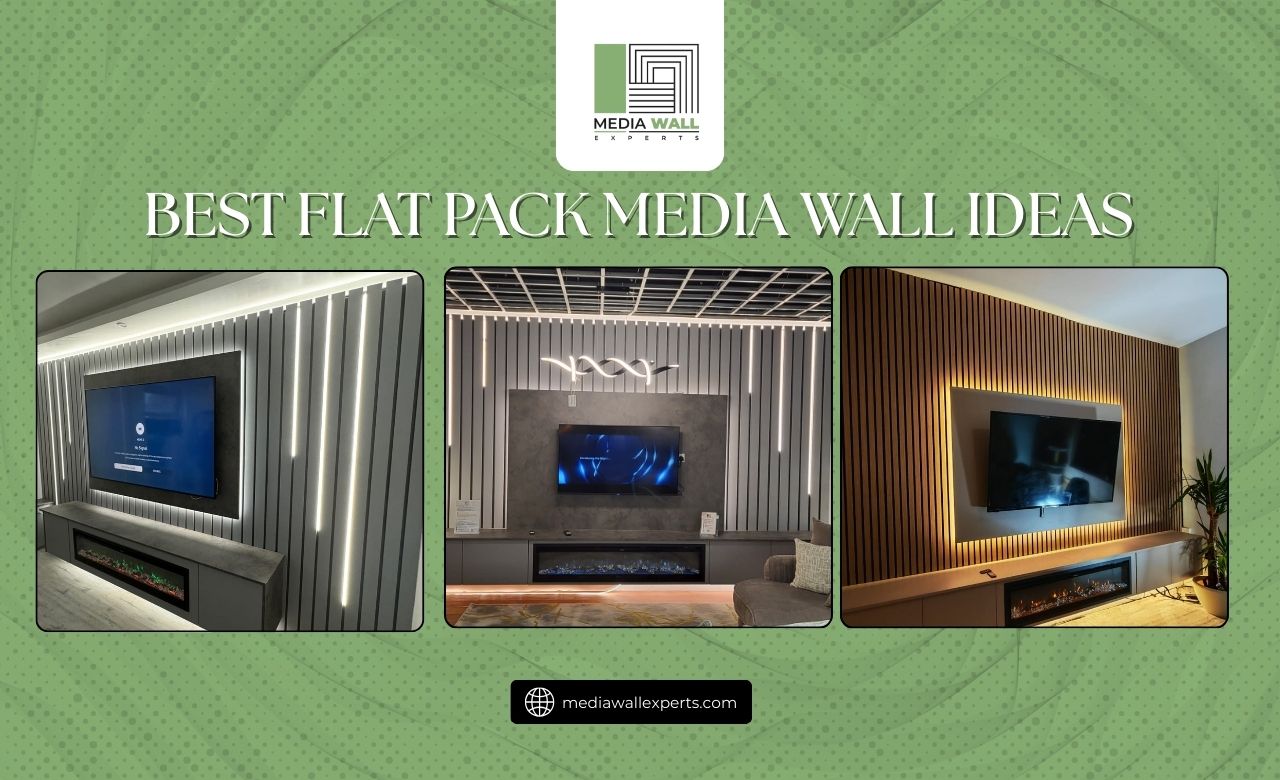
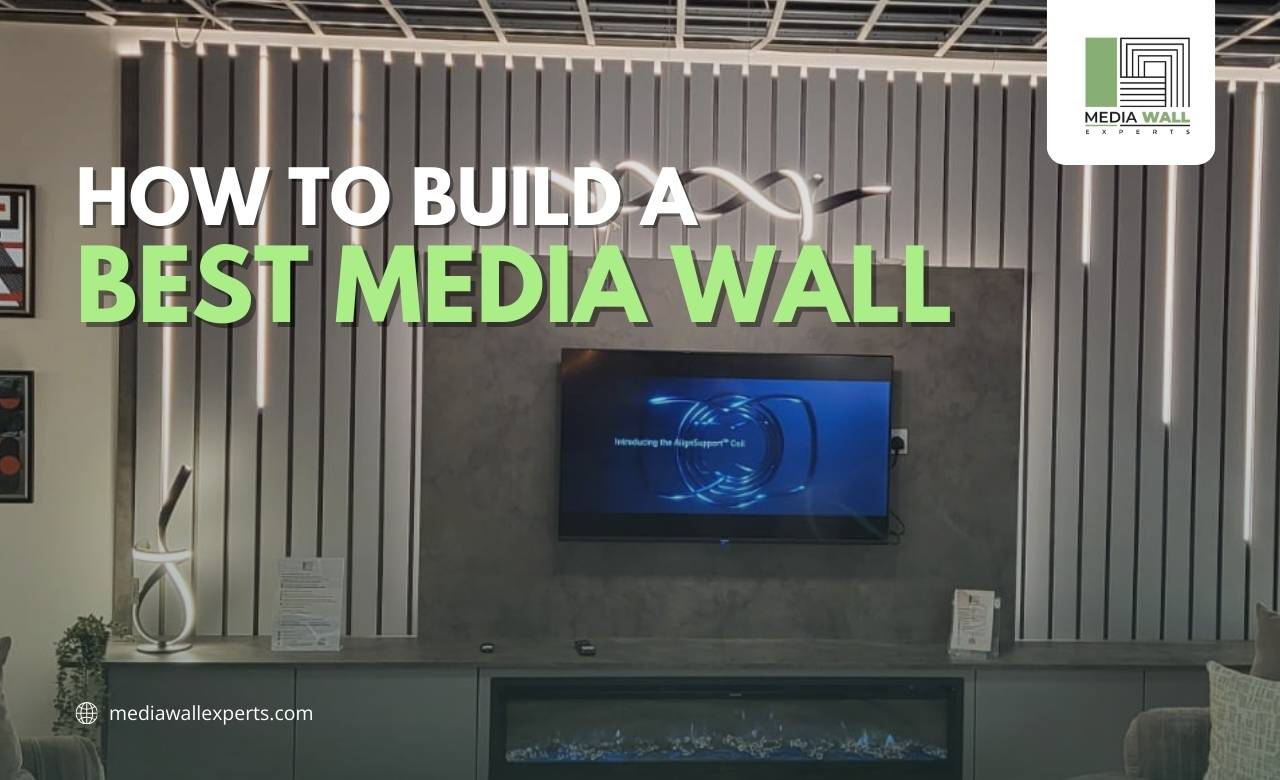
4. Acoustic Panel Media Wall With LED Lighting
LED lighting placed between or around acoustic panels adds depth without overpowering the room. Soft backlighting highlights the texture of the panels and creates a calm viewing atmosphere.
Warm lighting works especially well in evening settings, helping the media wall blend naturally into the living space.
5. Acoustic Panels With Side Shelving
Side shelving paired with acoustic panels adds function and symmetry. Shelves can be used for books, small plants, or decorative pieces, keeping the wall practical and visually interesting.
Limiting the number of decorative items helps maintain a clean and balanced look.
6. Full-Height Acoustic Media Wall
A full-height acoustic media wall runs from floor to ceiling, creating a structured and intentional design. This approach improves sound control across the entire wall and gives the room a settled, finished appearance. This idea works well in larger living rooms or open-plan spaces.
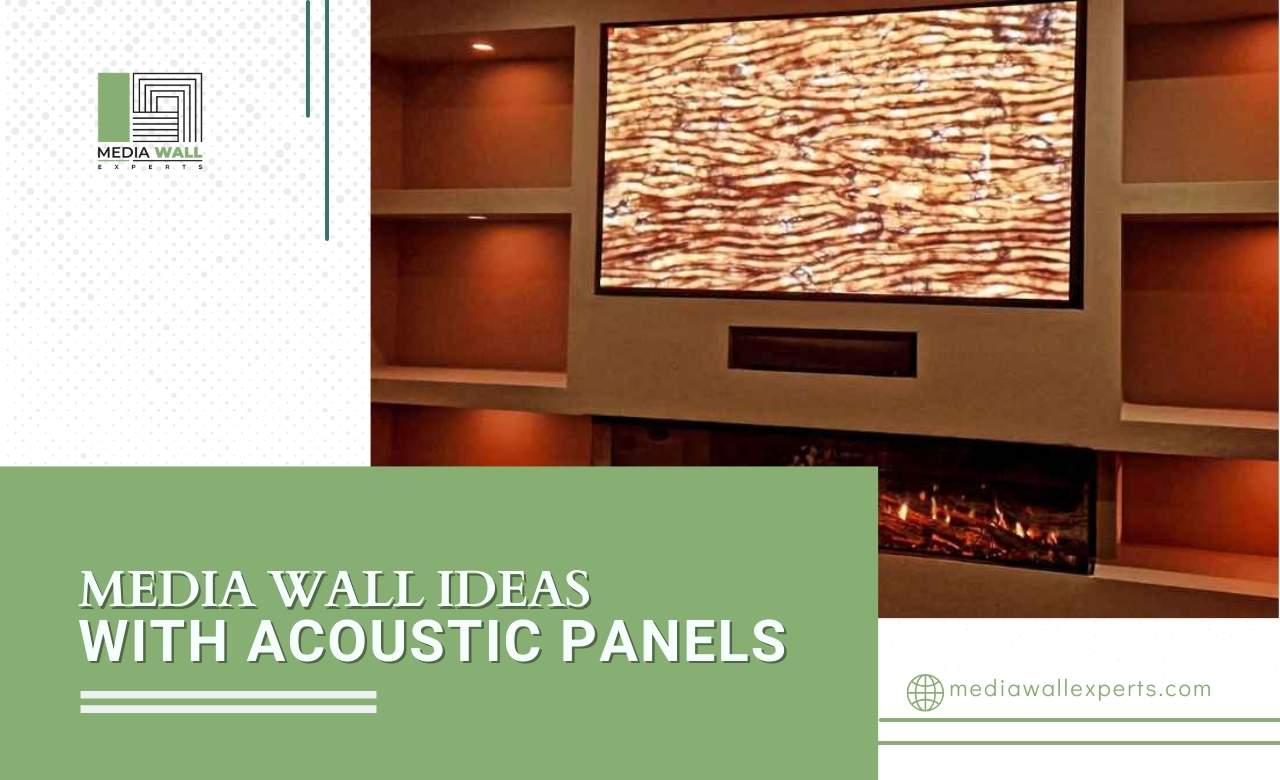
7. Acoustic Panel Media Wall With Fireplace
Acoustic panels can be used alongside a built-in fireplace to create a cosy and well-balanced media wall. The panels help manage sound while the fireplace adds visual interest and comfort.
This combination works particularly well in family living rooms where sound clarity and atmosphere both matter. The panels prevent sound from bouncing around the room, while the fireplace naturally draws attention and anchors the entire wall.
Neutral panel colours work best to keep the overall look calm and harmonious. Soft greys, muted beiges, or natural wood tones allow the fireplace and TV to stand out without making the wall feel busy or overwhelming.
8. Acoustic Panels With Neutral Colour Layers
Layered neutral colours across acoustic panels add subtle contrast without strong visual separation. Using light and mid-tone shades together helps define the media wall softly.
This approach suits modern UK interiors where understated design feels natural and long-lasting.
9. Acoustic Media Wall With Recessed TV
A recessed TV area combined with acoustic panels gives the wall depth and structure. The TV sits slightly within the wall, reducing glare and helping the screen feel less dominant.
This layout also helps the TV feel more connected to the wall design rather than standing out on its own. The recessed area creates a natural frame around the screen, which supports a cleaner and more organised appearance.
Soft lighting around the recess improves both comfort and visual clarity. Gentle lighting reduces eye strain and highlights the panel texture, making the wall feel more balanced and visually settled.
10. Acoustic Panel Media Wall With Wood Texture
Wood-textured acoustic panels add warmth and character while maintaining sound control. Light wood tones suit modern interiors, while darker finishes create a richer, more refined look.
This type of panel works well in homes that want a natural element without losing a modern feel. The wood texture softens the look of the TV area and makes the wall feel more welcoming.
This design pairs well with neutral furniture and soft lighting. Keeping surrounding colours simple allows the texture of the panels to stand out naturally.
11. Minimal Acoustic Panel Media Wall
A minimal acoustic panel media wall focuses on simplicity. Panels are arranged in clean lines with minimal additional features, keeping the space calm and uncluttered.
This design helps the room feel more open and organised, especially where space is limited. By avoiding heavy finishes and extra detailing, the wall supports a peaceful and modern environment.
This idea works especially well in smaller living rooms or apartments, where a clean and simple layout helps the space feel more comfortable and visually balanced.
12. Acoustic Panels as a Framing Feature
Using acoustic panels to frame the TV area creates a defined media zone without covering the entire wall. This approach keeps the design light while still improving sound quality.
Framing helps the TV feel visually organised within the room rather than dominating the entire wall. It allows the acoustic panels to act as a soft boundary, making the media area feel intentional and neatly structured.
Framing works well when combined with floating units or subtle lighting.
- Defines the TV area without making the wall feel heavy.
- Improves sound control around the main viewing zone.
- Keeps the overall design open and visually balanced.
- Works well in both small and larger living rooms.
Create a Calm and Balanced Media Space
Media walls with acoustic panels offer both practical and visual benefits. They improve sound clarity, reduce echo, and add texture that makes the space feel complete.
They also help create a more controlled and comfortable viewing environment, especially in busy living rooms where sound can easily bounce around. By combining performance with design, acoustic panels allow the media wall to feel settled, organised, and visually pleasing for everyday use.
For modern media wall designs with acoustic panels across the UK, visit Media Wall Experts to explore ideas and get professional guidance.
